



For decades, real estate success has been defined by numbers. Plot size. Market value. Return on investment. These markers still matter, but they no longer tell the full story. As cities grow and lifestyles shift, buyers are asking a different question. What if the real value of property lies in how it makes people feel? What if happiness becomes part of the equation?
This shift marks the rise of emotional real estate. Today’s buyers are not searching for walls and ceilings alone. They want comfort, calm & sense of belonging. Homes are expected to support well-being, connection, and pride. In response, real estate investment beyond ROI is gaining ground, where human experience stands alongside financial logic.
From Financial ROI to Emotional ROI
Traditional ROI measures profit. Emotional ROI measures impact. It looks at how a home affects daily life and long-term satisfaction. This idea has become central to modern luxury property thinking. Emotional ROI considers simple but powerful factors. Do residents feel safe? Does the environment support peace of mind? Are there spaces to connect, relax, and recharge? Does the setting support personal growth and balance?
Homes that deliver these experiences often reflect luxury homes lifestyle benefits rather than surface-level appeal. Comfort, space, and surroundings shape how people live, not just how properties perform. This approach supports happiness-driven property investment, where value grows through consistency, attachment, and emotional ease. Homes that feel right tend to stay occupied longer. They build loyalty. They age well in both emotional and financial terms.
Measuring Happiness Beyond Numbers

Happiness may feel personal, but it can still be observed and improved. Developers today rely on more than spreadsheets. Resident feedback plays a key role. Satisfaction surveys reveal how people feel about their living spaces. Community participation shows whether residents feel connected. Social conversations offer insight into shared experiences. Personal stories bring depth to raw data.
When these insights are combined with traditional metrics, a clearer picture emerges. Property value becomes more human. This approach aligns closely with community centric luxury living, where shared experiences and social comfort add meaning to ownership. Value is no longer limited to location or layout. It lives in routines, relationships, and emotional security.
Why Emotional Value Drives Demand?
Homes built with happiness in mind create a lasting impact. Buyers are choosing environments that support mental balance, comfort, and connection. This shift explains why emotional real estate now influences demand more than ever. Properties that offer calm surroundings and a strong sense of community often see better retention and stronger word-of-mouth.
For developers and investors, this focus brings long-term strength. Emotional ROI builds trust. It supports reputation. It creates places people are proud to call home. These priorities reflect the psychology of high end home buyers, who value peace, security, and lifestyle quality more than short-term gains.
Creating Spaces That Support Joy
Emotional ROI grows through intentional choices. Green areas support calm. Natural light improves daily mood. Walkable spaces encourage healthier routines. Shared areas bring people together. These elements are central to wellness focused real estate developments, where daily life feels balanced rather than rushed.
When homes support ease and comfort, stress reduces. Families settle better. Residents feel connected to their surroundings. Over time, these emotional responses strengthen both satisfaction and property value. Homes stop feeling transactional. They begin to feel personal.
Investing in How Life Feels
Real estate investment beyond ROI reflects a new way of thinking. Emotional real estate recognizes that homes shape lives, not just portfolios. Happiness, wellness, and community now define lasting value.
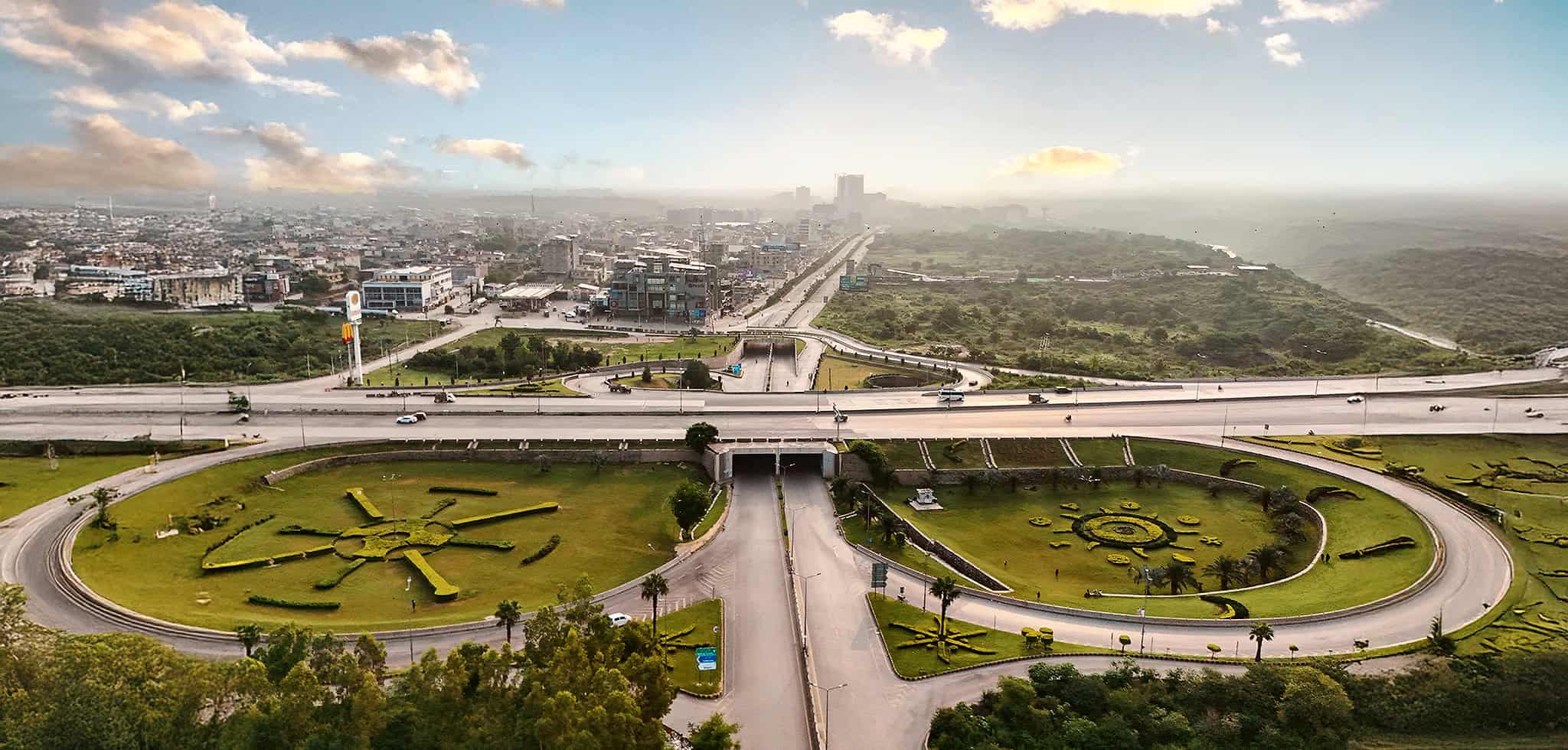
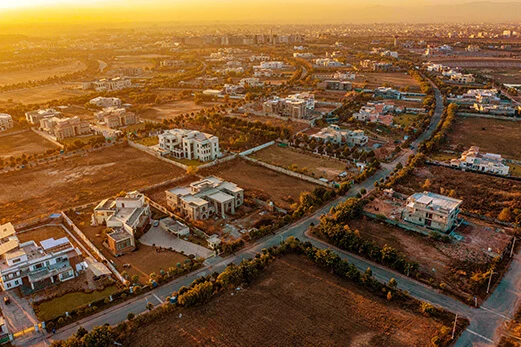
This perspective is reflected in developments like Gulberg Islamabad, where living well stands alongside financial confidence. Here, property investment supports both growth and wellbeing, proving that the strongest returns are often felt long before they are counted.