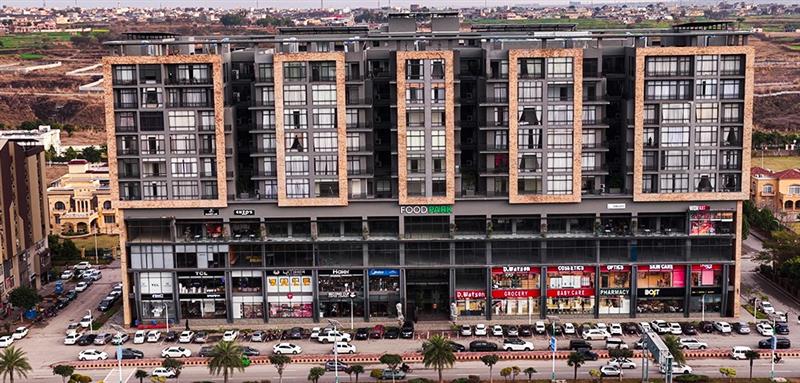
Step into any major business district in 2026 and you will notice the shift. Buildings are smarter. Expectations are higher. Investors look at data before design. Tenants examine efficiency before signing a lease. A modern commercial building is defined by performance, sustainability, and user experience — not by glass walls alone.
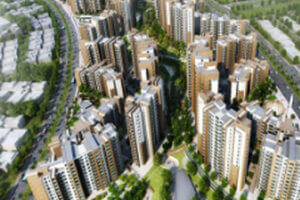
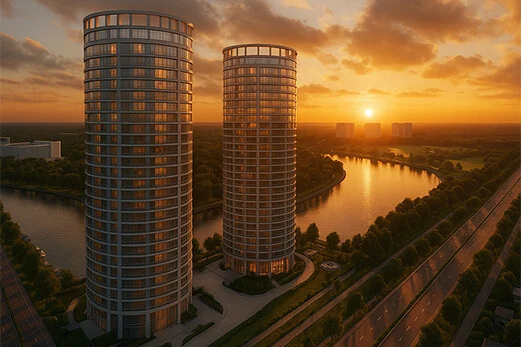
Modern commercial architecture now blends technology with thoughtful commercial building design. It must reduce operating costs, improve comfort, and protect long-term value. At Gulberg Islamabad, commercial spaces reflect this future-ready vision. Because today, smart design is practical design.
Smart Building Systems That Reduce Operational Costs
Automation is now the norm in high-end projects. Smart building systems have precise control over lighting, climate, and security. Lighting systems regulate themselves according to the presence of occupants. HVAC systems react to changes in temperature. Energy consumption patterns indicate areas of wastage, which can increase over time.
Security systems combine surveillance systems with access control systems, which function as one system. Smart building technology benefits include cost savings, reduced maintenance, and better planning. Over time, smart building technology benefits translate into cost savings.
Energy Efficiency & Sustainable Commercial Building Design
Energy efficiency now shapes every stage of commercial building design. Insulated walls reduce heat transfer. High-performance glazing keeps interiors comfortable. Shading systems limit excessive solar gain.
Sustainable materials increase durability and reduce environmental impact. A well-planned structure lowers long-term maintenance costs. Investors benefit from stable operational expenses. Tenants benefit from predictable utility bills. These smart building technology benefits protect value while supporting responsible development.
Indoor Comfort and Natural Light for Better Productivity
Workspaces must support people. Indoor comfort and natural light directly affect focus and morale. Efficient ventilation systems improve air quality. Acoustic planning reduces distraction. Daylight enhances mood and productivity.
Biophilic elements such as indoor plants and natural finishes create balanced interiors. Employees feel refreshed. Visitors feel welcomed. In 2026, comfort is a performance factor. A building that supports well-being supports business growth.
Flexible & Future-Ready Floor Plans
Change is constant in business. Office needs evolve. Technology updates quickly. A modern commercial building must allow easy transformation without structural disruption.
Open floor layouts create adaptable work zones. Modular partitions allow reconfiguration. Electrical and data systems are placed for quick upgrades. Flexible design reduces renovation expenses and keeps spaces competitive for years.
Modern Facade Design With Performance Value
Modern facade design must serve a purpose. It manages heat, protects interiors, and improves structural strength. Energy-efficient glass controls glare. Aluminium cladding adds resilience. Stone surfaces provide stability and character.
In modern commercial architecture, the exterior balances beauty with function. A strong facade improves brand identity while supporting environmental performance. Appearance matters. Performance matters more.
Advanced Safety & Security Infrastructure
Safety remains a priority. Reliable fire detection systems ensure a quick response. Clearly marked evacuation routes guide occupants during emergencies. Access control systems regulate entry.
Smart building systems integrate surveillance and monitoring into one unified network. Secure environments attract responsible tenants. Confidence grows when protection is visible and dependable.
Enhanced Tenant & Visitor Experience
A building’s success often depends on daily experience. Smart parking reduces congestion. High-speed elevators improve flow. Organised lobbies reflect professionalism. Seamless digital entry systems simplify access.
A modern commercial building focuses on convenience and efficiency. Premium tenants value structured environments. Smooth operations strengthen reputation and long-term occupancy.
Conclusion – The Future of Commercial Spaces in 2026
In 2026, the standards are clear. Smart building systems, efficient commercial building design, indoor comfort and natural light, flexible layouts, modern facade design, and strong safety planning define quality.
A modern commercial building is built for efficiency, durability, and consistent returns. Gulberg Islamabad aligns with global commercial trends by promoting intelligent, sustainable development. The future belongs to buildings that perform every day, year after year.