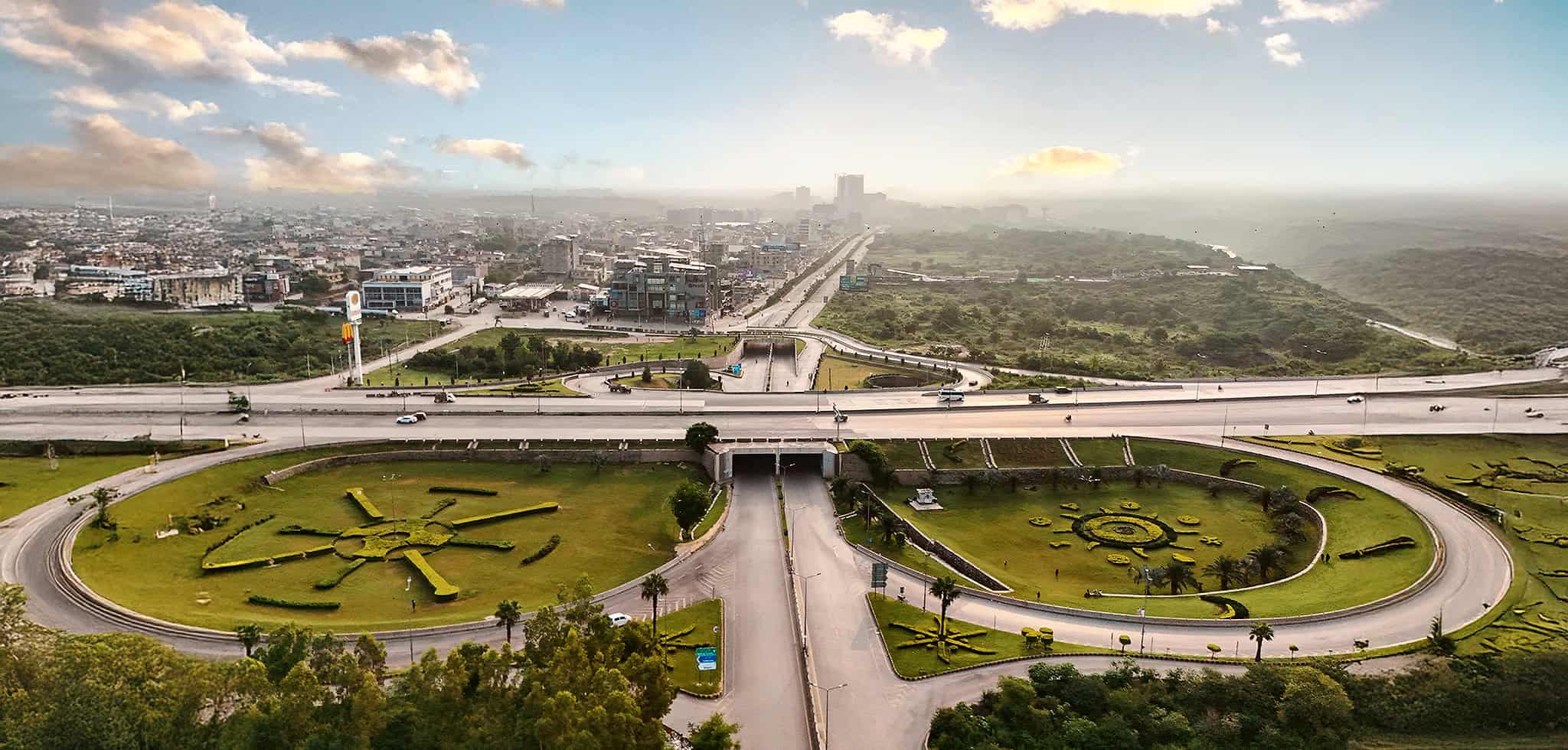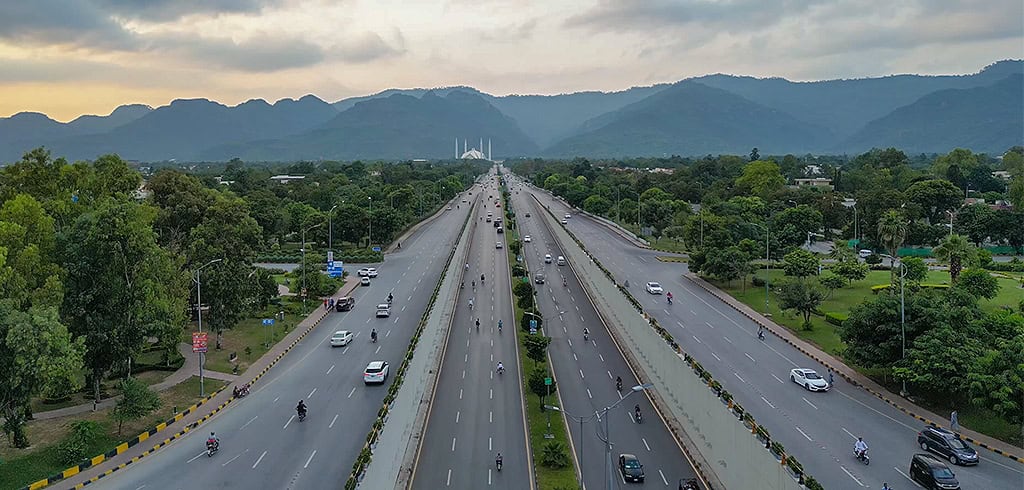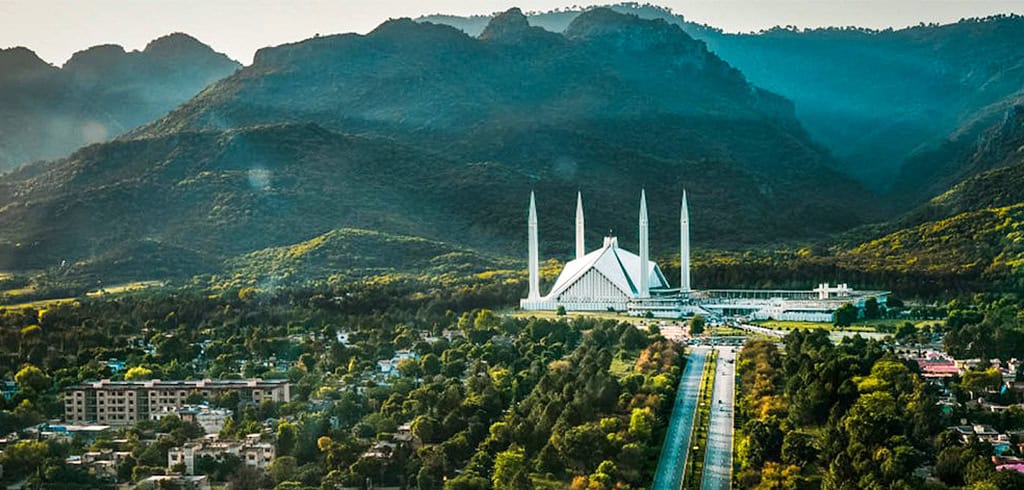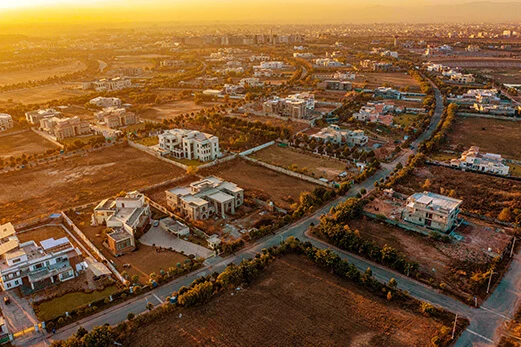
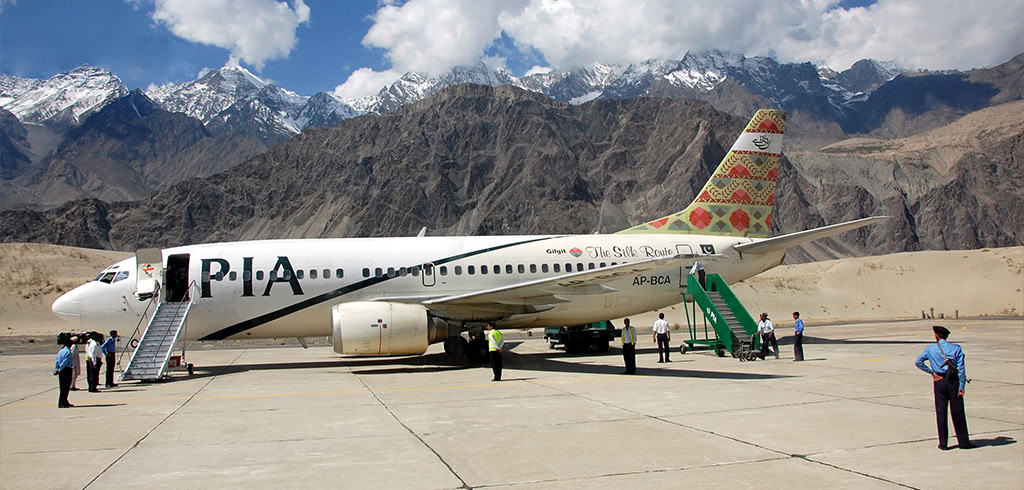
The tourism industry in Pakistan is experiencing steady growth, and it is expected to surpass $4 billion by 2025. This accelerated growth strengthens the impact of tourism on Pakistan’s economy, creating broader economic visibility and investor confidence. As a result, this momentum directly reshapes the Pakistan real estate market and influences demand, pricing, and investor behaviour at the national level.
Pakistan’s Tourism Boom & What’s Driving It?
Several key factors are driving Pakistan’s tourism boom. Firstly, better roads, increased security, and expanded domestic flight routes would encourage more citizens to visit within the country. Moreover, the process of travelling is also being digitalised, and it has become much easier to plan, with booking applications, paying via phone, or through the internet.
Moreover, reliance on online channels continues to increase, especially after the government introduced the e-visa policy for Pakistani tourism, enabling easier entry for visitors from 126 countries. As these drivers gain strength, the sector contributes more visibly to national stability, thereby amplifying the tourism and GDP contribution in Pakistan, which depends on and strengthens the overall impact of tourism on the Pakistan economy for long-term growth.
How the $4B Tourism Economy Influences Real Estate?
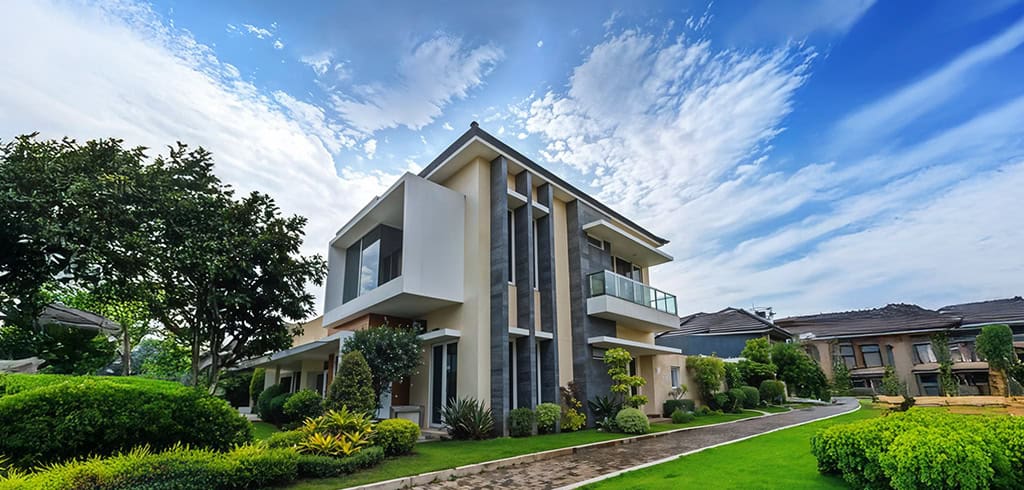
Tourism increasingly transforms the dynamics of real estate in the country as it grows in magnitude. An increase in the number of tourists boosts the demand for hotels, serviced apartments, and short-term rentals. Therefore, resorts like Skardu, Hunza, Gwadar and Islamabad have better rental earnings and a stable appreciation of property value.
Moreover, infrastructure services which accompany tourism, such as roads and airports, increase the cost of land in areas with heavy traffic. This change enhances the overall effects of tourism on property market behaviour, presenting more opportunities for short-term rental income, increased occupancy rates and greater interest in branded residential projects. There are developer response initiatives to make lifestyle-oriented communities that remain in line with changing traveller expectations and modern lifestyle standards.
The Rise of New Investment Assets: Apartments & Penthouses
Tourism-driven growth also fuels demand for modern residential assets that serve dual purposes. Consequently, apartment and penthouse property investment continues to rise as travellers, business visitors, and overseas Pakistanis seek premium, flexible options.
Furthermore, mixed-use developments and high-end lifestyle destinations attract investors because they combine hospitality-style amenities with long-term comfort and convenience. Investors are increasingly drawn to these properties, as they offer stronger yields, lower maintenance costs, and direct alignment with Pakistan’s $4 billion tourism industry and its upward trajectory.
Government and Developer Alignment
The government’s move to consider tourism as a formal industry is another way to accelerate it. Other efforts, such as long-term leasing of resorts, international tourism roadshows, and the formation of partnerships with the government, support a long-term commitment. The developers are responding simultaneously by introducing internationally benchmarked lifestyle projects and successfully integrating tourism and real estate in Pakistan into one, creating a ready-to-grow narrative.
Conclusion
Ultimately, Pakistan tourism growth 2025 continues to build economic confidence and elevate real estate credibility. The ongoing tourism boom presents sustained opportunities for investors seeking high-yield, future-proof assets. With both sectors moving in sync, Pakistan’s tourism and real estate markets now signal momentum, stability, and long-term potential.